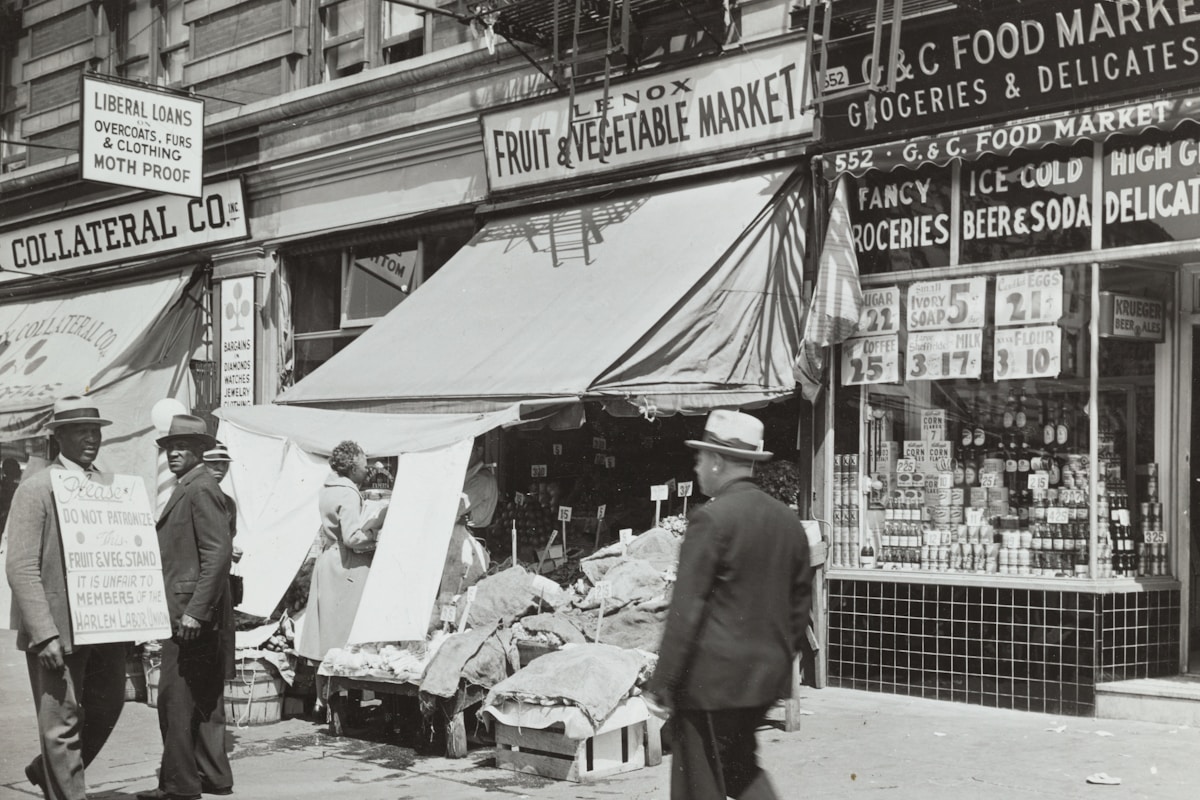
The History of Tobacconist Shops
Tobacconist shops have a rich and varied history that mirrors the evolution of tobacco use in society. From humble beginnings to becoming cultural hubs, these shops have played a significant role in social interactions, commerce, and even politics. This article explores the fascinating journey of tobacconist shops and their significance throughout history.
The Origins of Tobacco
Before delving into the history of tobacconist shops, it’s essential to understand the origins of tobacco itself. Tobacco is native to the Americas, where it was used by indigenous peoples for centuries. Here are some key points about its early use:
- Medicinal Uses: Native Americans utilized tobacco for various medicinal purposes, believing it had healing properties.
- Spiritual Significance: Tobacco was often used in religious ceremonies and rituals, symbolizing a connection to the divine.
- Trade Commodity: After European colonization, tobacco became a valuable trade item, leading to its widespread cultivation.
The Emergence of Tobacconist Shops
The first tobacconist shops began to appear in Europe in the 16th century, following the introduction of tobacco to the continent. These shops evolved as social spaces where people gathered to smoke, discuss politics, and exchange ideas. Here are some notable developments:
16th Century: The Birth of the Tobacconist
- First Shops: The first known tobacconist shop opened in Spain in 1560, paving the way for similar establishments across Europe.
- Popularity: Tobacco gained popularity among the aristocracy, leading to an increase in demand for dedicated shops.
17th and 18th Centuries: The Golden Age
During the 17th and 18th centuries, tobacconist shops flourished. They became more than just places to buy tobacco; they transformed into social hubs. Key aspects of this era include:
- Social Gathering Places: Tobacconist shops served as venues for socializing and political discussion, attracting a diverse clientele.
- Literary and Artistic Influence: Many writers and artists frequented these shops, contributing to their cultural significance.
- Expansion of Products: Shops began to offer a wider variety of tobacco products, including pipes, cigars, and rolling papers.
The 19th Century: Industrialization and Change
The 19th century brought significant changes to tobacconist shops, largely due to industrialization and advancements in tobacco production.
Mass Production
- Factory Production: The advent of tobacco factories allowed for mass production, making tobacco more accessible to the general public.
- Advertising: Tobacconist shops began to use advertising to attract customers, leading to the rise of brand loyalty.
Cultural Shifts
As tobacco use became more widespread, the social dynamics within tobacconist shops also evolved:
- Inclusion of Women: While initially male-dominated spaces, shops began to see an increase in female patrons, particularly with the rise of cigarette smoking.
- Political Discourse: Many tobacconist shops became known as meeting places for political discussions and debates.
The 20th Century: Challenges and Adaptations
The 20th century presented both challenges and opportunities for tobacconist shops, particularly with the growing awareness of health risks associated with tobacco use.
Health Awareness
- Public Health Campaigns: As health risks became more widely known, tobacconist shops faced declining patronage.
- Regulatory Changes: New laws regarding tobacco sales and advertising forced many shops to adapt their business models.
Diversification
To survive, many tobacconist shops diversified their offerings:
- Expanded Product Lines: Shops began to offer a range of non-tobacco products, including gifts, accessories, and gourmet foods.
- Online Presence: The rise of e-commerce led many tobacconists to establish an online presence, reaching a broader audience.
The Modern Era: The Future of Tobacconist Shops
Today, tobacconist shops continue to evolve. They remain significant cultural spaces, but they also face new challenges:
Current Trends
- Health-Conscious Consumers: Many shops now cater to a health-conscious clientele by offering organic and natural tobacco products.
- Vaping and Alternatives: The rise of vaping has prompted tobacconists to include e-cigarettes and vape products in their inventory.
Cultural Significance
Despite the challenges, tobacconist shops retain their status as cultural hubs where enthusiasts can share their passion for tobacco:
- Community Events: Many shops host tasting events, workshops, and social gatherings to engage the community.
- Preservation of Tradition: Some tobacconists focus on preserving traditional methods of tobacco preparation and smoking.
Conclusion
The history of tobacconist shops is a testament to the evolving relationship between society and tobacco. From their origins as simple retail outlets to their current status as cultural institutions, these shops have adapted to changing times while remaining significant in the social fabric. As we look to the future, it will be fascinating to see how tobacconist shops continue to evolve in an increasingly health-conscious world.